

Key Takeaways
- Untreated deep endometriosis lesions can burrow into the bowel, bladder, and pelvic ligaments, worsening pain and organ dysfunction over time.
- Diagnosis has historically taken four to 11 years, and a 2026 ACOG guidance update aims to shorten that delay so lesions have less time to progress before treatment begins.
- Excision surgery removes lesions at the root and is widely considered the gold-standard treatment for deep disease, though some research shows ablation can also provide lasting pain relief with similar re-operation and fertility outcomes for peritoneal endometriosis.
- Recovery often works best when surgery is paired with pelvic floor therapy, nutrition, and nervous system care.
- Some pain can linger after surgery due to nerve sensitization or pelvic floor dysfunction, which combined care can help address.
Untreated deep infiltrating endometriosis lesions rarely stay quiet, and understanding what happens when they go unchecked helps explain why so many women search for lasting answers instead of temporary fixes.
Why Untreated Lesions Devastate Pelvic Health
Deep infiltrating endometriosis, often shortened to DIE, describes lesions that grow more than 5 millimeters beneath the peritoneum, the thin lining inside the pelvis. These lesions do not stay put. They can attach to the bowel, bladder, uterosacral ligaments, or vaginal wall, causing inflammation and scarring that reach far beyond the reproductive organs. Left alone, this tissue keeps growing and irritating everything around it, which is why pain tends to worsen rather than plateau.
The World Health Organization estimates that endometriosis affects 10% of reproductive-age women worldwide, or roughly 190 million people. That scale matters because it shows this is a common, under-treated disease that too often gets dismissed as ordinary period pain until deep lesions have already caused significant damage. Excision surgery provides a way to interrupt that progression before it causes lasting harm, and specialists who focus specifically on deep endometriosis often emphasize catching and treating lesions before organ function is compromised.
Chronic, escalating pelvic pain is the clearest warning sign that something more than a typical menstrual cycle is happening. When lesions attach to nearby organs, the body responds with inflammation, scar tissue, and nerve irritation that can turn ordinary daily activities into sources of pain. Understanding this progression is the first step toward taking action instead of waiting it out.
What Deep Endometriosis Does to Your Body
Deep endometriosis does not confine itself to the uterus or ovaries. Because lesions can attach to the bowel, bladder, and surrounding ligaments, symptoms often mimic digestive or urinary disorders, which is part of why the condition gets misdiagnosed so frequently. Understanding the full symptom picture helps anyone trying to figure out whether their pain fits this pattern.
Recognizing Pelvic, Bowel, and Urinary Symptoms
Chronic pelvic pain or tenderness is the most recognized symptom, but deep endometriosis can produce a much wider range of complaints. Pain during intercourse, unusually painful period cramps, and bowel-related issues often appear together rather than in isolation.
- Chronic pelvic pain or tenderness that persists outside of menstruation
- Painful intercourse, sometimes described as deep or sharp pain
- Severe period cramps that do not respond well to over-the-counter pain relief
- Bowel symptoms such as diarrhea, constipation, intestinal cramping, or pain during bowel movements
- Urinary symptoms including pain with urination or a frequent urge to go
Because these symptoms overlap so heavily with irritable bowel syndrome, interstitial cystitis, and other pelvic conditions, many women are told their pain is unrelated to their reproductive system. This is precisely why specialized evaluation matters when symptoms persist despite standard treatments.
The Cost of Diagnostic Delay
Patients have historically waited four to 11 years for an endometriosis diagnosis. A 2026 American College of Obstetricians and Gynecologists guidance update aims to shorten that timeline, since every extra year without diagnosis gives lesions more time to grow, new symptoms more time to emerge, and quality of life more room to decline.
That delay carries real physical consequences beyond frustration. Extended time without diagnosis allows adhesions to form, increases the chance of organ involvement, and can lead to central sensitization, a process where the nervous system becomes primed to interpret ordinary sensations as pain. This means the nervous system may need separate, dedicated attention to calm down even after lesions are eventually removed. Timely evaluation limits how much damage accumulates before treatment finally begins.
Excision Surgery: The Gold Standard
When deep lesions are confirmed, the conversation naturally turns to surgical options, and excision surgery stands out as the most thorough approach available. Rather than treating symptoms on the surface, excision addresses the disease at its structural root.
Why Excision Outperforms Ablation
Excision surgery involves carefully cutting out endometriosis lesions along with their root, while ablation burns or vaporizes the visible surface of the tissue. This distinction matters for deep infiltrating disease, since ablation cannot reach tissue growing beneath the peritoneum’s surface. Many sources consider excision the gold standard, particularly for deep lesions, though some research indicates both excision and ablation can produce meaningful and sustained pain reduction, with no significant difference in re-operation rates or fertility outcomes for peritoneal endometriosis.
- Excision removes the full depth of the lesion, reducing the likelihood that disease is left behind.
- Excision allows for pathology confirmation, since the removed tissue can be examined under a microscope.
- Ablation may leave deeper portions of a lesion untouched, allowing continued growth and inflammation.
- For peritoneal (surface-level) endometriosis specifically, ablation can offer comparable relief and similar re-operation and fertility outcomes to excision.
Patients who undergo excision often report years of relief from chronic pelvic pain and severe cramping, a meaningful outcome for anyone who has lived with symptoms for years before finding an accurate diagnosis.
Robotic and Minimally Invasive Precision
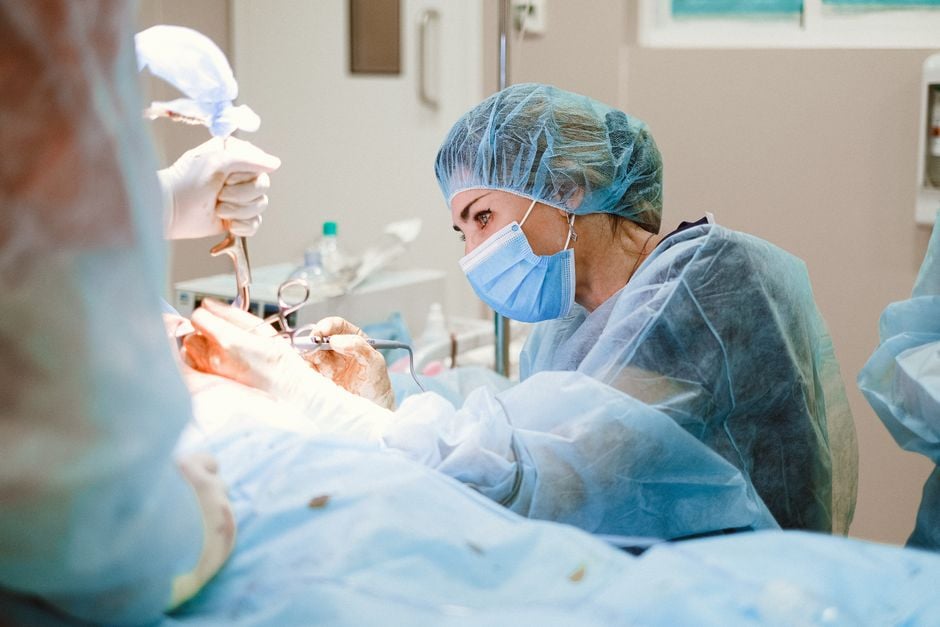
Modern excision techniques increasingly rely on robotic-assisted laparoscopy, which gives surgeons enhanced precision and control when removing lesions from delicate structures like the bowel wall or ureter. This level of accuracy is especially valuable in complex cases where disease has spread across multiple organs.
Minimally invasive approaches, including standard laparoscopy and robotic-assisted surgery, offer clear advantages over traditional open surgery: less bleeding, lower infection risk, less post-operative pain, and a faster return to daily life. Robotic-assisted excision in particular has shown meaningful reductions in pain during menstruation, urination, bowel movements, and intercourse, with major complications reported as rare. For women facing a diagnosis of deep infiltrating endometriosis, these outcomes make a strong case for seeking a surgeon experienced specifically in robotic excision rather than general laparoscopic removal.
Beyond Surgery: Healing the Whole Body
Surgery addresses the physical lesions, but full recovery from deep endometriosis usually requires more than a single procedure. Pairing surgical excision with complementary therapies tends to produce better long-term comfort than surgery alone.
Pelvic Floor Therapy Before and After Surgery
Pelvic floor physical therapy plays a role on both sides of the operating table. Before surgery, it can improve muscle function, relax chronically tight pelvic muscles, and improve flexibility, which may make the procedure itself smoother and more effective.
After surgery, pelvic floor therapy continues to matter. Manual techniques such as myofascial release and scar mobilization help break down adhesions, prevent new scar tissue from forming, and manage lingering muscle tension. Many patients find that skipping this step leaves them dealing with muscle-related pain even after the lesions themselves are gone, which highlights why therapy works best as a companion to surgery rather than an optional extra.
Nutrition, Hormones, and Nervous System Care
Healing from deep endometriosis also depends on what happens inside the body daily, not just what happens during surgery. An anti-inflammatory diet rich in fruits, vegetables, lean proteins, and healthy fats like omega-3s can support tissue repair and help manage pain in the weeks and months after excision.
Hormonal balance and nervous system regulation matter just as much. Because chronic pain can sensitize the nervous system over time, addressing that sensitization through stress modulation, mind-body practices like yoga or mindfulness-based stress reduction, and targeted supplements with anti-inflammatory or neuromodulatory effects can meaningfully improve outcomes. Correcting gut dysbiosis, which often accompanies chronic inflammatory conditions, is another piece some integrative practices weave into post-surgical care to support the whole body’s recovery rather than just the surgical site.
When Pain Lingers After Surgery
Even highly successful excision surgery does not always eliminate pain, and understanding why helps set realistic expectations. Persistent pelvic pain after surgery can stem from pelvic floor dysfunction, nerve sensitization that developed during years of untreated disease, residual scar tissue, or overlapping pain conditions that exist independently of endometriosis.
A single procedure is rarely the entire story for women who lived with deep infiltrating lesions for years before diagnosis. A nervous system that has spent a long stretch of time in a heightened pain state does not necessarily reset the moment lesions are removed. Recognizing this possibility ahead of time, rather than being surprised by it, allows patients and their care teams to plan for continued support such as pelvic floor therapy, nervous system desensitization work, or evaluation for coexisting conditions like interstitial cystitis or irritable bowel syndrome.
Combined Care Delivers Lasting Relief
The clearest lesson from current understanding of deep endometriosis is that no single treatment carries the full weight of recovery. Excision surgery removes the disease itself, but the body still needs support to heal fully and stay well. Combining medical treatment, lifestyle changes, and supportive therapies consistently produces better results than any one method alone.
Many patients report substantial improvements in daily comfort and overall quality of life once excision surgery is paired with follow-up care addressing the pelvic floor, nutrition, hormones, and nervous system health. Fertility outcomes can also improve after excision, since removing lesions reduces inflammation and helps restore normal pelvic anatomy.
For anyone weighing next steps after years of unexplained pelvic pain, understanding both the surgical and broader recovery considerations can help inform discussions with a qualified care team. Those ready to plan a personalized treatment path can start by learning more about endometriosis excision surgery and how it fits into a broader recovery plan. The right questions can make the difference between temporary relief and lasting wellness.
Lotus Endometriosis Institute
154 Traffic Way
Arroyo Grande
CA
93420
United States