May 08, 2026 – PRESSADVANTAGE –
TurnKey Roofers has released a technical homeowner guide detailing how different residential roofing materials shape indoor noise levels, addressing an acoustic performance variable that factors heavily into daily comfort but receives limited attention during typical roofing decisions. The resource, published on the company’s blog this month, examines how material density, assembly layering, and installation specification determine how much rain, hail, traffic, and aircraft noise enters a home.
Central to the guide is a structured explanation of the mass law and the Sound Transmission Class rating system. The mass law establishes that denser roofing materials resist vibration transmission more effectively, meaning higher-mass assemblies transfer less sound energy indoors. The Sound Transmission Class, or STC, rating quantifies that effect for a complete roof assembly, with values between 45 and 55 representing strong acoustic performance for most urban and storm-prone environments. The Noise Reduction Coefficient is introduced as a parallel measurement describing how much sound energy a surface absorbs rather than reflects
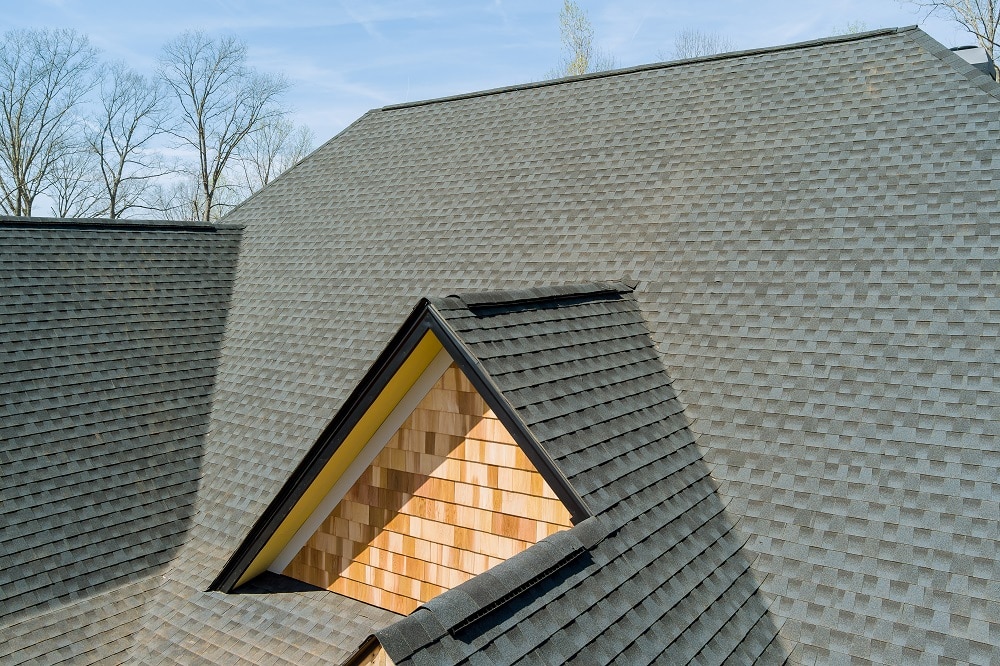
The guide walks through four major roofing categories and how each handles impact and airborne noise. Metal roof systems, often perceived as acoustically weak, can reduce noise penetration by 40 to 60 percent when installed with vibration-damping underlayment and attic insulation. Architectural asphalt shingles paired with a high-STC underlayment commonly reach STC ratings between 52 and 54. Clay tile roofs, weighing 6 to 10 pounds per square foot, and concrete tile roofs, weighing 9.5 to 12 pounds per square foot, absorb 25 to 35 percent more noise than standard asphalt shingles. Natural slate, a non-resonant stone that does not transmit impact vibration through the roof deck, forms one of the quietest residential roof surfaces available.
“Most homeowners approach a roofing decision through the lens of storm resistance and appearance, which matter, but the acoustic outcome inside the home is just as meaningful to daily quality of life,” said a spokesperson at TurnKey Roofers. “This guide was developed to give homeowners a clear framework for evaluating how each roofing type will actually sound during a Louisiana storm or under routine urban conditions, so the decision is grounded in performance rather than assumption.”
Flat roofs receive dedicated treatment in the guide because of their distinct acoustic profile. Rain and debris strike near-perpendicular surfaces with greater impact intensity, producing higher interior noise levels than pitched installations under equivalent conditions. EPDM rubber membranes, according to the resource, can absorb up to 70 percent of impact noise when specified at 60 to 90 mil thickness, with premium assemblies reaching STC ratings between 45 and 52. TPO membrane systems and mineral wool insulation also receive detailed acoustic analysis, with particular attention to moisture-resistant performance in high-humidity coastal climates.
Roof pitch is examined as a secondary acoustic variable independent of material. Steeper pitches reduce the angle of impact when rain and hail strike the surface, lowering the intensity of sound transmitted through the roof deck. The guide notes that high-pitched residential roofs consistently produce lower indoor noise levels than low-slope surfaces under equivalent storm conditions, which is one reason steep pitches remain common across Southeast Louisiana — a region where hurricane-season storms generate sustained high-intensity rainfall and where many residential neighborhoods sit near aircraft corridors, interstate routes, and industrial activity.
TurnKey Roofers provides residential and commercial roofing services across multiple material types, including shingle, metal, tile, slate, and flat-roof membrane systems. Residential offerings include roof installation, replacement, repair, restoration, coating, ventilation, weatherproofing, fascia board installation, siding, hail damage repair, and asbestos roof removal. Commercial services include installation, replacement, repair, re-roofing, ventilation, and coating for buildings across property categories. The company serves communities including Baton Rouge, Covington, Gretna, Hammond, Harahan, Kenner, LaPlace, Madisonville, Mandeville, Metairie, River Ridge, Slidell, and St. Rose.
In prior company announcements, TurnKey Roofers documented its residential replacement operations running within one- to two-week project timelines depending on roof size and weather conditions. That speed of work, which applies to all the different materials the company uses, helps answer the important question of how fast a homeowner can expect their selected roofing system to go from being planned to fully installed. The company maintains working hours from Monday through Saturday to support scheduling across the thirteen-community service territory.
The new guide joins an ongoing library of homeowner education resources published by TurnKey Roofers covering topics including roof ventilation, vent pipe leaks, stone-coated steel durability, and pre-project planning questions. Company representatives indicated that acoustic performance will remain an active theme in future educational publications as homeowner awareness of indoor comfort and quiet residential environments continues to grow.
###
For more information about TurnKey Roofers, contact the company here:
TurnKey Roofers
Ethel Hollandsworth
504-732-0336
info@turnkeyroofers.com
New Orleans, LA