After Japan’s Golden Week holidays, many office workers and students struggle with fatigue, insomnia, and low motivation. This condition, caused by changes in daily routines and stress from new environments, is commonly known in Japan as “May Blues.”
TOKYO, JAPAN (MERXWIRE) – As Japan’s Golden Week holiday comes to an end, many people return to work and school, but some experience symptoms such as fatigue, insomnia, and lack of motivation. In Japan, this condition is commonly referred to as “May Blues.” Although it is not an official medical term, the topic receives widespread attention every year after the long holiday season.
“May Blues” is generally considered a type of post-holiday adjustment syndrome linked to stress from new environments and the emotional gap after extended vacations. While no medical studies have proven a direct causal relationship between Golden Week and May Blues, Japan’s unique social system makes May a particularly stressful period for many people.
Japan’s fiscal and academic years both begin in April, meaning company transfers, new employee placements, and the start of the school year are concentrated between March and April. For many people, this is the time of year with the greatest environmental and lifestyle changes. However, less than a month after adapting to a new environment, people immediately enter the long Golden Week holiday. Returning to daily routines afterward can create feelings of exhaustion and difficulty readjusting.
According to the “2026 Golden Week Holiday and May Blues Survey” conducted by Mynavi Corporation among 20,000 full-time employees, the key factor affecting workers’ mental condition was not the length of the holiday, but rather how the vacation was structured and how daily rhythms were disrupted. Many respondents said they preferred holidays to be spread out rather than concentrated into an average 5.8-day Golden Week break. The survey also found that employee motivation often declines after long vacations, suggesting that Japan’s traditional unified holiday system may need to be reconsidered.
In addition, around 20% of respondents reported experiencing symptoms related to May Blues, while about 40% of those individuals considered changing jobs after the holiday period. The findings suggest that post-holiday mental health management may be closely linked to employee retention risks.
Common symptoms of May Blues include excessive sleepiness, insomnia, headaches, digestive problems, and loss of appetite, while some people may also experience binge eating. Family members or coworkers may notice unusual mistakes, changes in eating and sleeping habits, or a loss of interest in hobbies and favorite activities.
Doctors advise seeking professional help if symptoms such as insomnia, headaches, fatigue, or appetite loss continue for more than two weeks or begin affecting daily life, including frequent lateness or difficulty concentrating.
Medical experts recommend rebuilding a regular sleep schedule, avoiding overwork, and engaging in light exercise such as walking to gradually restore physical and mental balance. Since the condition is often caused by stress and tension from adapting to new environments, understanding and support from family and friends are also considered important.
Meanwhile, Kanto Smart Living Cooperative advises people not to force themselves to immediately return to a high-intensity work or study routine after Golden Week. Instead, the organization recommends allowing time for gradual readjustment by maintaining consistent wake-up times, reducing smartphone use before bed, and incorporating light household activities or short exercise sessions into daily life. For those experiencing high levels of stress, relaxing activities such as bathing, aromatherapy, or listening to calming music may also help relieve fatigue and mental pressure.
Sleep issues have also become a growing social concern in Japan. According to the “2026 Global Sleep Survey” released by ResMed, Inc., Japanese people sleep an average of only 6 hours and 23 minutes per night, making Japan the country with the shortest sleep duration in the survey for the fourth consecutive year. The most common response among Japanese participants was “6 hours of sleep,” significantly below the global recommendation of 7 to 8 hours. In addition, 8.3% of Japanese respondents said they experience at least one day per week without sufficient sleep, highlighting ongoing concerns about sleep quality in Japan.
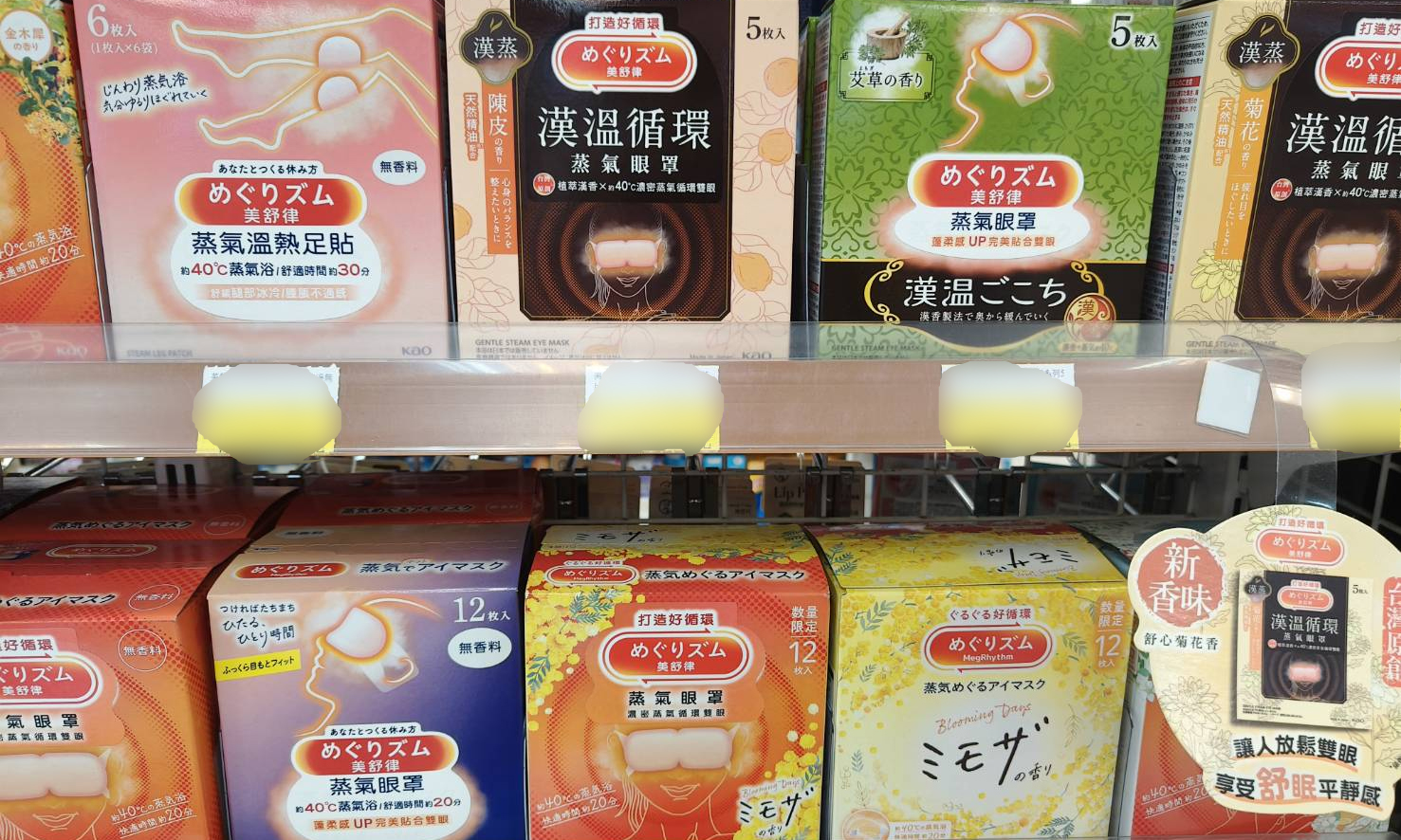
As awareness of sleep and mental health continues to rise, the market for sleep-support products is also expanding. Japanese lifestyle goods retailer Loft has recently introduced more than 80 sleep-related products aimed at helping consumers improve sleep quality and ease the symptoms associated with May Blues through better rest and lifestyle adjustments.
Media Contacts:
Kanto Smart Living Cooperative
PR Agency:
MERXWIRE INC.
Ada Huang
pr@merxwire.com
SOURCE: Kanto Smart Living Cooperative

