
Homeowners researching hurricane protection often come across ESW and PGT as two established names in impact-rated doors. Both brands manufacture products certified for Florida’s High-Velocity Hurricane Zone, the designation covering Miami-Dade and Broward counties where building codes require exterior openings to withstand extreme wind pressure and windborne debris. Understanding how these two brands differ can help homeowners in Tampa and across Florida make a more informed decision, even outside HVHZ boundaries where the same products are often installed for added protection.
Frame Construction and Materials
ESW doors typically use heavy-gauge aluminum framing paired with laminated impact glass, often built with T5 or T6 aluminum alloy for structural strength. Panel depth on ESW’s Elite line runs around 1¾ inches, with heat-strengthened glass included as a standard feature.
PGT offers a broader range of frame materials, including both aluminum and vinyl options depending on the product line. Its WinGuard series uses a 2.5-inch aluminum frame profile, while the higher-tier WinDoor line increases to a 2.75-inch frame for additional structural integrity. PGT also offers vinyl-framed doors for homeowners prioritizing thermal performance over aluminum’s typical strength advantage in larger openings.
Impact Testing and Certification
Both brands undergo large and small missile impact testing required for HVHZ approval, and both carry Miami-Dade Notice of Acceptance certification across much of their door lineups. PGT has built its reputation partly on holding one of the largest numbers of Miami-Dade certifications in the industry, reflecting decades of testing across a wide range of configurations. ESW’s Elite Collection is engineered specifically to meet HVHZ standards as well, with design pressure ratings suited to coastal and high-wind applications.
Experts from Impact Windows Center, Tampa, explain that the practical difference for most homeowners comes down to design pressure ratings for a specific opening size, which vary by product line within each brand rather than by manufacturer alone. Comparing a specific door model’s design pressure rating against a home’s location and exposure category is generally more useful than comparing brand names on their own.
Style and Customization Options
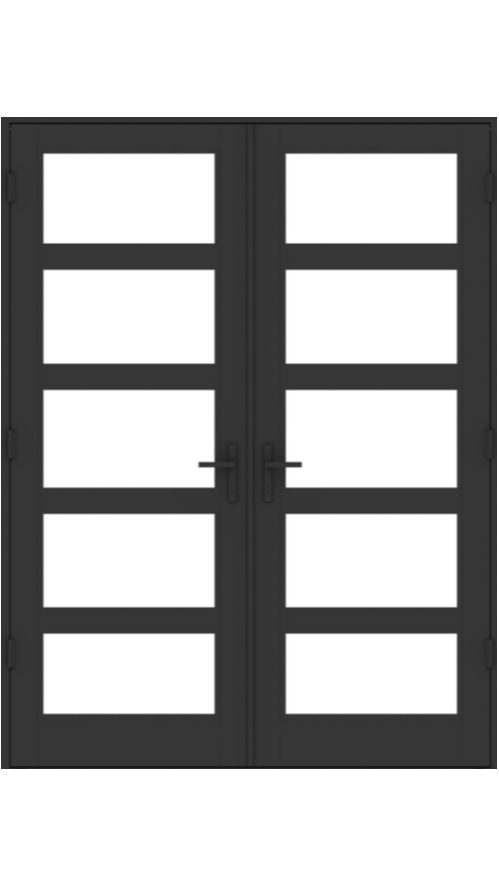
ESW’s double leaf and French door styles emphasize sidelites and grid pattern options, including colonial, Brittany, and full-view configurations, along with anodized, painted, or wood grain finishes. This makes ESW a common choice for luxury condos and coastal single-family homes where architectural detail matters alongside protection.
PGT offers a similarly wide customization range across its door lines, with frame finishes including white, bronze, and clear anodized, and newer options like black finishes becoming available on select product lines. PGT’s broader use of vinyl framing also gives homeowners an additional finish and performance profile not available through ESW’s primarily aluminum lineup.
Warranty Coverage
ESW doors generally carry a glass warranty ranging from five to ten years, with a ten-year warranty on paint finish that extends to coastal applications. PGT’s aluminum door warranties vary by series, with frame components typically covered for a period specified by product line, and glass coverage addressing issues like stress cracks and seal failures. Both brands offer warranty transfer options for homeowners selling their property, which can serve as a selling point during a home sale.
Choosing Between the Two for a Tampa Home
For homeowners in Tampa, neither brand’s HVHZ certification is a code requirement, since Hillsborough County falls outside the designated zone. Even so, many homeowners choose HVHZ-tested products because they generally exceed the wind load and impact standards required under the standard Florida Building Code.
The decision between ESW and PGT often comes down to specific product line features, available sizing, frame material preference, and design compatibility with the home’s architecture rather than a single overall advantage held by either manufacturer. Consulting a licensed installer familiar with both product lines can help match design pressure ratings and finish options to a home’s specific exposure and style requirements.
Impact Windows Center
3547 High Ridge Rd
Boynton Beach
Florida
33426
United States


