
Key Takeaways:
- Managing hypothyroidism naturally works best as a well-rounded plan that combines nutrient-rich eating, targeted supplements, and stress-reducing habits alongside proper medical monitoring.
- Thyroid dysfunction affects about 10 percent of Canadians aged 45 and older, including 16 percent of women and 4 percent of men in this age group.
- Hashimoto’s thyroiditis, an autoimmune disorder, is the most common cause of hypothyroidism in Canada, which is why testing beyond standard TSH matters so much.
- Selenium, zinc, and vitamin B12 each play distinct roles in thyroid hormone production and conversion, though supplementing without testing first can backfire.
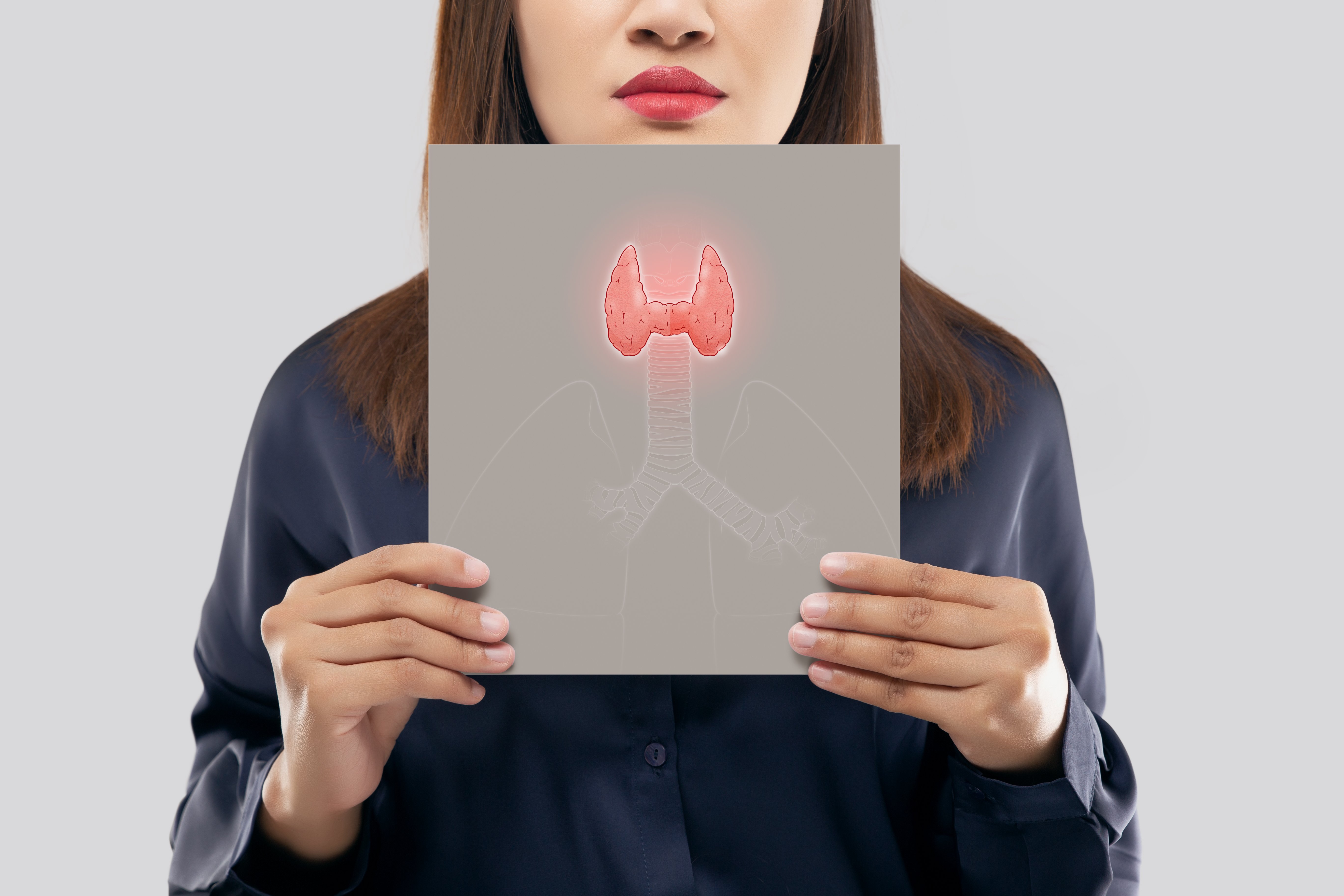
Feeling tired all the time, gaining weight without explanation, or struggling with brain fog can all point back to one small, butterfly-shaped gland in the neck. Hypothyroidism, a condition where the thyroid does not produce enough hormone, is far more common than most people realize, and it often develops so gradually that symptoms get brushed off as “just getting older” or “just being busy.” Understanding what drives thyroid trouble in the first place is the first step toward feeling like oneself again.
Thyroid Diagnoses Reported in 1 in 10 Canadians
Thyroid dysfunction affects about 10 percent of Canadians aged 45 and older, including 16 percent of women and 4 percent of men in this age group, according to data from the Canadian Task Force on Preventive Health Care. These numbers highlight the need for well-rounded, evidence-informed care that considers individual differences rather than relying on a one-size-fits-all approach to thyroid management.
Because thyroid hormone touches nearly every system in the body, from metabolism to mood to digestion, a small imbalance can create symptoms that feel scattered and confusing. Naturopathic treatment looks at the whole picture rather than treating a single lab number in isolation. That perspective matters because two people with the same TSH result can have very different underlying causes, and very different paths back to feeling well.
What’s Really Driving Your Thyroid Issue
A sluggish thyroid rarely happens for just one reason. Nutrient shortfalls, chronic stress, gut imbalances, and autoimmune activity can all quietly slow hormone production, which is why a genuinely helpful plan starts with figuring out which of these factors is actually at play for a given person.
Hashimoto’s and the Autoimmune Connection
Hashimoto’s thyroiditis, an autoimmune disorder where the immune system mistakenly attacks the thyroid gland, is the most common cause of hypothyroidism in Canada. In this condition, ongoing immune activity gradually damages thyroid tissue, reducing its ability to produce hormone over time. Because the root problem is immune-driven rather than purely hormonal, addressing inflammation and immune balance often matters just as much as supporting the thyroid directly.
Recognizing Hashimoto’s early can change the whole management strategy. Someone with autoimmune thyroid disease may benefit from different dietary and lifestyle priorities than someone whose hypothyroidism stems from a nutrient deficiency alone, which is why proper testing is such an important next step.
Testing Beyond Standard TSH
A standard blood panel often checks only thyroid-stimulating hormone, or TSH, which tells part of the story but not the whole one. A more complete picture typically includes:
- TSH to see how hard the pituitary gland is working to stimulate the thyroid
- Free T3 and free T4 to measure the actual active and inactive thyroid hormones circulating in the blood
- Reverse T3 to check whether the body is converting hormone into an inactive form instead of the usable kind
- Thyroid antibodies to detect autoimmune activity linked to conditions like Hashimoto’s
This broader panel is a hallmark of functional approaches to thyroid care, which focus on identifying and addressing root causes rather than simply managing symptoms as they appear. Without these extra markers, an autoimmune process or a conversion problem can easily be missed even when TSH looks “normal.”
Eating for Thyroid Function
Food choices have a direct line to thyroid health, since hormone production depends on a steady supply of specific nutrients. A balanced diet rich in fruits, vegetables, whole grains, lean protein, and healthy fats supports both thyroid function and overall well-being, giving the body the raw materials it needs to keep hormone levels steady.
Nutrients That Matter Most
Several nutrients play starring roles in thyroid health, and a shortfall in any one of them can show up as fatigue, weight changes, or mood swings. Key nutrients worth paying attention to include:
- Iodine, which the thyroid needs to produce hormones, though excessive intake can worsen autoimmune thyroid conditions rather than help them
- Selenium, needed to convert inactive T4 hormone into the active T3 form
- Zinc, which supports production of T3, T4, and TSH, and helps mediate innate immune function
- Iron and magnesium, which back up broader metabolic processes tied to thyroid health
- Vitamins A, B12, and D, which support hormone signalling and immune balance
Omega-3 fatty acids, found in sources like fatty fish and fish oil, can also help calm inflammation, which is particularly useful for anyone dealing with an autoimmune thyroid condition. Building meals around these nutrients, rather than relying on a single supplement to do all the work, tends to produce steadier results over time.
Foods That Can Work Against You
Some everyday foods can quietly interfere with thyroid function when eaten in large amounts. Soy products and cruciferous vegetables such as cabbage, broccoli, and kale contain compounds called goitrogens, which can slow thyroid hormone production. The good news is that cooking these vegetables reduces goitrogen activity significantly, so a steamed plate of broccoli is far less of a concern than a giant raw kale salad eaten daily.
Highly processed foods, added sugars, and artificial ingredients deserve attention too, since they can drive inflammation that makes thyroid symptoms harder to manage. Paying attention to portion size, preparation method, and how often certain foods show up on the plate matters more than cutting out entire food groups without reason.
Targeted Supplements Worth Considering
Once diet is in place, certain supplements can offer extra support, particularly for someone dealing with a diagnosed deficiency or an autoimmune component. Supplementation works best as a targeted response to an identified gap, rather than a blanket routine everyone follows the same way.
Selenium, Zinc and B12
Selenium plays a key role in converting inactive thyroid hormone, T4, into its active form, T3, and research suggests it may also help reduce thyroid antibodies in people with Hashimoto’s thyroiditis. Zinc plays a similar supporting role, since a deficiency can directly contribute to hypothyroid symptoms by limiting hormone production and weakening immune regulation.
Vitamin B12 deserves its own mention, since research consistently shows higher rates of B12 deficiency in people with Hashimoto’s thyroiditis and other autoimmune conditions, and low B12 can mimic or worsen many thyroid symptoms, including fatigue, brain fog, poor memory, low mood, tingling in the hands and feet, and shortness of breath. Supplementing with B12 when levels are genuinely low may help ease that persistent tiredness that so many people with hypothyroidism describe. Testing levels before supplementing is the safest way to know whether any of these nutrients are actually needed.
Ashwagandha and Adaptogens
Ashwagandha, an adaptogenic herb long used in traditional medicine, has shown promise for improving thyroid function in people with subclinical hypothyroidism, a milder form of the condition where TSH is elevated but symptoms may be minimal. In a 2018 clinical trial, taking 600 mg of ashwagandha daily for eight weeks significantly raised T3 and T4 levels and lowered TSH in this group. Beyond its direct thyroid effects, ashwagandha is also valued for helping the body manage stress, which matters a great deal given how closely stress hormones and thyroid function are linked.
Adaptogens are not a quick fix, and they work best as part of a broader plan rather than a stand-alone solution. Anyone currently taking thyroid medication or other prescriptions should talk with a healthcare provider before adding an herbal supplement, since interactions are possible.
Lifestyle Habits That Support Healing
Daily habits shape thyroid health just as much as diet and supplements do, sometimes more. Small, consistent changes to movement, sleep, and stress management can add up to noticeable improvements in energy and mood over time.
Movement, Sleep and Stress Relief
Regular, moderate exercise such as walking, swimming, or yoga can help combat the fatigue that so often comes with hypothyroidism, while also supporting mood and weight management. The key word is moderate, since overly intense training can add physical stress to a body that is already working hard to regulate itself.
Sleep matters just as much as movement. Prioritizing seven to nine hours of quality sleep each night supports hormone regulation, restores energy, and keeps metabolic function on track. Alongside sleep, managing everyday stress through mindfulness, meditation, deep breathing, or a regular yoga practice can help prevent chronic stress from making thyroid symptoms worse, since stress hormones and thyroid hormones are closely connected in the body’s overall balance.
Gut Health and Toxin Reduction
The gut and the thyroid are more connected than they might seem, especially for anyone dealing with an autoimmune component like Hashimoto’s. Supporting gut health through probiotics, cultured foods, and a diet lower in sugar, starch, and refined carbohydrates can help decrease inflammation and bring immune balance back into check.
Reducing exposure to environmental toxins is another piece of the puzzle worth taking seriously. Limiting processed foods, added sugars, and artificial ingredients supports gut health directly and reduces the overall inflammatory load on the body, giving the thyroid one less thing to fight against while it heals.
Natural Support Works Alongside Medical Care
Natural remedies and lifestyle changes can meaningfully support thyroid health and overall wellbeing, but they work best as a complement to medical care rather than a replacement for thyroid hormone medication when it has been prescribed. As of 2019, hypothyroidism medication was the seventh-most prescribed medication in Alberta, reflecting just how many people rely on it to feel functional day to day, and stopping or avoiding it without medical guidance can allow symptoms to worsen.
The most realistic path forward blends both worlds: appropriate medical monitoring alongside the nutritional, supplement, and lifestyle strategies outlined above. Working with a naturopathic doctor who understands both conventional lab work and root-cause investigation can help identify which pieces are missing for a specific case, whether that is a nutrient gap, an autoimmune trigger, or a stress pattern that has gone unaddressed for too long. For anyone ready to dig deeper into what is really driving their symptoms, investigating naturopathic care for hypothyroidism with a qualified practitioner is a practical next step toward lasting energy and balance.
Healthflow Naturopathic
+1 403 313 4354
2204 2 Street SW
120M
Calgary
Alberta
T2S 3C2
Canada


