LINYI, SHANDONG, CHINA, October 16, 2026 /EINPresswire.com/ —
The global electric mobility industry continues to evolve as consumers, distributors, and commercial operators seek transportation options that combine practical design, operational efficiency, and flexible applications. Against this background, Linyi Lanshan Merco Electric Bicycle Factory is developing its presence in the electric vehicle manufacturing sector through a product portfolio that includes electric bicycles, electric motorcycles, and electric tricycles. Based in Linyi, Shandong Province, China, the company serves domestic and international customers and presents itself as a manufacturing partner for businesses seeking electric mobility products for different markets.
Electric vehicles have become an increasingly visible part of transportation planning in urban and rural areas. Rising interest in convenient short-distance travel, local delivery services, and lower-emission mobility has encouraged manufacturers to develop vehicles for a wider range of daily activities. Electric bicycles can support personal commuting, while electric motorcycles offer another option for motorized travel. Electric tricycles, meanwhile, can serve passenger transportation, leisure activities, and cargo movement. This variety has created opportunities for manufacturers to offer products suited to different customer requirements rather than relying on a single vehicle category.
For manufacturers, meeting these varied needs requires more than producing a vehicle that runs on electric power. Product design, frame structure, motor and battery configuration, riding comfort, braking systems, cargo capacity, and maintenance considerations all influence a vehicle’s suitability for its intended purpose. Companies supplying international markets must also consider differences in customer expectations, road conditions, regulations, and distribution channels.
Linyi Lanshan Merco Electric Bicycle Factory has established a product portfolio covering three principal categories: electric bicycles, electric motorcycles, and electric tricycles. Its official website organizes electric motorcycles into street motorcycle and scooter-style motorcycle categories, while its electric tricycle range includes leisure, cargo, and enclosed models. This range gives buyers several product directions to explore, from personal transportation to utility-focused vehicles and passenger-oriented designs.
Electric Motorcycles for Everyday Transportation
Electric motorcycles occupy an important position in the wider electric mobility market. Compared with conventional bicycles, they provide motorized transportation for journeys where riders may need additional speed or power, depending on the vehicle’s specifications and the regulations governing its use. Their potential applications include daily commuting, neighborhood travel, and short-distance transportation in areas where compact vehicles are practical.
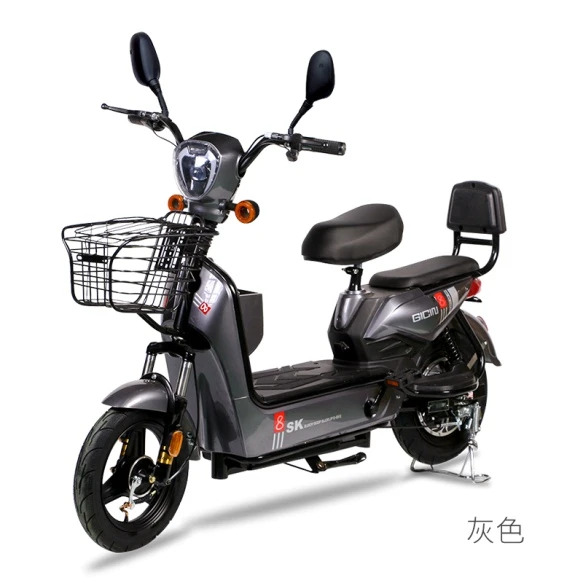
Linyi Lanshan Merco Electric Bicycle Factory includes Electric Motorcycle among its product categories. Its website features street-style electric motorcycles and scooter-style electric motorcycles, offering buyers different design approaches within the same general vehicle segment. Street-style models may appeal to customers who prefer a motorcycle-inspired appearance, while scooter-style models can suit buyers looking for a familiar step-through or urban mobility design, depending on the configuration of the specific model.
Selecting an electric motorcycle involves several technical considerations. Motor output influences acceleration and the vehicle’s ability to handle different riding conditions. Battery capacity affects potential operating range, although actual distance depends on factors such as rider weight, terrain, speed, temperature, and load. Charging time, battery availability, tire dimensions, braking performance, lighting, and suspension also contribute to the overall ownership experience.
For wholesalers and distributors, the ability to compare specifications across different models is particularly important. A product intended for short urban trips may require a different configuration from one intended for longer daily journeys. Similarly, buyers in different countries may have different expectations regarding vehicle styling, power output, battery technology, and safety equipment.
Manufacturers and buyers therefore benefit from clear communication during product selection. Before placing a bulk order, distributors should confirm the exact motor and battery specifications, rated speed, charging requirements, braking configuration, warranty coverage, and any applicable market certifications. These details help ensure that the selected electric motorcycle is appropriate for its intended market and use.
Electric Tricycles for Cargo and Passenger Applications
Electric tricycles provide another important area of opportunity within the electric vehicle sector. Their three-wheel configuration allows manufacturers to develop designs for cargo transportation, leisure travel, and passenger mobility. Depending on the structure and specifications, these vehicles may be used by small businesses, delivery operators, families, older adults, and customers who require a practical alternative to two-wheel transportation.
Linyi Lanshan Merco Electric Bicycle Factory offers an Electric Tricycle product category with several configurations. Its published lineup includes leisure electric tricycles, cargo electric tricycles, and enclosed electric tricycles. Individual models listed on the company website include an Electric Weather-Proof Enclosed Trike, Electric Family Leisure Tricycle, Electric Senior Mobility Tricycle, Electric Heavy-Duty Cargo Tricycle, Electric Cargo Delivery Tricycle, and Full-Enclosed Passenger Tricycle.
This range reflects the different purposes electric tricycles can serve. Leisure models are designed around recreational or everyday personal travel. Cargo versions focus on transporting goods, making them potentially relevant to local retailers, small businesses, farms, and delivery operations. Enclosed tricycles introduce a different body design intended to provide additional shelter from weather conditions, depending on the model’s construction.
For commercial users, cargo capacity is one of the first factors to examine. The vehicle must be able to accommodate the intended goods while maintaining suitable handling and braking performance. Buyers should check the rated payload, cargo-box dimensions, frame construction, wheelbase, tire specifications, and the vehicle’s stability when loaded. Battery capacity and motor output should also be considered in relation to the expected routes and working hours.
Passenger-oriented tricycles involve a different set of requirements. Seating arrangement, ease of entry and exit, visibility, lighting, suspension, and protective bodywork may affect user comfort and convenience. Where enclosed models are concerned, buyers should verify the actual enclosure design, ventilation, weather protection, and available safety features rather than assuming that all models provide the same level of protection.
For distributors serving mixed customer groups, a product portfolio that includes leisure, cargo, and enclosed tricycles can create opportunities to address multiple market segments. However, each vehicle should be evaluated according to its own technical specifications, intended application, and local regulatory requirements.
Customization and Product Selection for Business Buyers
Customization is an important consideration for companies sourcing electric vehicles for resale or distribution. Retailers may need products that fit local consumer preferences, while importers may seek model variations that align with their existing product ranges. Differences in styling, colors, equipment, packaging, and branding can influence how a product is positioned in a particular market.
Linyi Lanshan Merco Electric Bicycle Factory presents itself as a supplier that supports customized services. Its website describes customer-oriented operations and highlights production, research and development, testing, quality standards, and service support as areas of focus. These capabilities are relevant to business buyers evaluating potential manufacturing partners, although the exact scope of customization should be confirmed for each model and order.
OEM and customized sourcing arrangements can involve several discussions before production begins. Buyers may need to identify the intended user group, target price range, preferred design, required motor and battery configuration, and expected order volume. They may also need to confirm the availability of branding options, color choices, accessories, manuals, packaging, and spare parts.
Sample approval and specification confirmation are important steps in this process. A detailed product specification helps both parties establish a shared understanding of the vehicle being supplied. It should identify the relevant components and technical parameters, as well as any agreed testing, packaging, labeling, or documentation requirements. For international orders, the destination market and its regulatory requirements should be discussed before the final configuration is approved.
The company’s electric vehicle categories give prospective buyers a starting point for these discussions. Rather than selecting solely by appearance, importers can compare available models according to the needs of their customers. A distributor specializing in urban transportation may focus on electric motorcycles and commuter-oriented vehicles, while a business serving agricultural or commercial users may give greater attention to cargo tricycles.
Manufacturing Quality and Product Testing
Quality management is central to electric vehicle manufacturing because a finished vehicle brings together mechanical, electrical, and structural components. Frame integrity, weld quality, fasteners, electrical connections, battery installation, motor operation, brakes, tires, and lighting all contribute to the final product. A problem in one area can affect reliability, maintenance needs, or user safety.
According to its official website, Linyi Lanshan Merco Electric Bicycle Factory operates a factory covering approximately 10,000 square meters and employs more than 50 people. The company also describes its research and development and testing capabilities, professional technical team, quality-control team, and testing laboratory as part of its manufacturing operations. These are company-reported details that prospective buyers can use as a starting point for further supplier evaluation.
For wholesale customers, it is useful to understand how quality is managed throughout production. Incoming component inspection can help identify inconsistencies before assembly begins. During assembly, checks may focus on mechanical connections, wiring, component installation, and conformity with the approved specifications. Final inspection can then verify the operation of key systems before packaging and dispatch.
Electric vehicle buyers should also ask how battery and charging components are sourced and tested. Battery compatibility, protection systems, charger specifications, and handling procedures are important considerations in electric vehicle supply chains. Clear documentation and suitable after-sales support can help distributors manage customer questions and reduce confusion when maintenance is required.
Quality evaluation should not be limited to a single pre-shipment check. Buyers placing repeat orders may want to establish consistent specifications, inspection criteria, and procedures for addressing defects or component changes. Maintaining these records can help both parties compare production batches and resolve issues more efficiently.
Linyi Lanshan Merco Electric Bicycle Factory states that it maintains strict quality standards and has international certifications. Buyers should request the relevant documents and confirm their scope, validity, and applicability to the specific models being purchased. Certification requirements can differ by destination and vehicle category, so verification is an important part of international procurement.
International Markets and Supply Chain Coordination
International distribution presents opportunities for electric vehicle manufacturers, but it also introduces additional operational requirements. Buyers need to coordinate product specifications, production schedules, shipping arrangements, import documentation, spare parts, and after-sales responsibilities. These factors can influence the total cost of sourcing and the ability to support customers after delivery.
Linyi Lanshan Merco Electric Bicycle Factory reports that its products are sold in more than 50 countries and regions and that it has maintained long-term relationships with hundreds of domestic and overseas bicycle wholesalers. The company also reports an annual output value of more than US$9 million. These figures are published by the company and provide context for its stated international business activities.
For importers, experience in overseas markets can be useful, but each new sourcing project still requires careful planning. Electric vehicles may be subject to different rules for road use, product safety, battery transport, labeling, and documentation. An electric motorcycle that is suitable for one market may require different approval or registration in another. Electric tricycles may also be classified differently depending on their design, speed, power, and intended use.
Logistics planning should account for vehicle dimensions, packaging, battery shipping requirements, order quantity, and delivery schedules. Buyers should clarify whether products will be supplied fully assembled or in another shipping configuration, what documents will accompany the shipment, and which party is responsible for specific transport and import arrangements.
After-sales support is another important factor. Distributors may need access to replacement components, technical instructions, warranty procedures, and guidance on common maintenance questions. Before entering a long-term supply relationship, buyers should establish how technical inquiries will be handled and how replacement parts can be obtained.
These considerations are particularly relevant for businesses building a product line rather than making a one-time purchase. A reliable sourcing process depends on a shared understanding of product requirements, clear communication, and realistic expectations regarding lead times and support.
The Role of Electric Vehicle Manufacturers in Changing Mobility Needs
The development of electric mobility is creating a more varied marketplace for two-wheel and three-wheel vehicles. Personal commuters, delivery businesses, small retailers, families, and other users may have different priorities, even when they are shopping within the same broad electric vehicle category. Some place greater emphasis on compact dimensions and everyday convenience, while others need cargo capacity, passenger space, weather protection, or a configuration suited to local roads.
Manufacturers that provide multiple vehicle categories can help buyers explore these different requirements through a broader product portfolio. Electric bicycles, electric motorcycles, and electric tricycles serve related but distinct purposes. Their suitability depends on design, technical specifications, operating conditions, and the regulations applicable to the market.
Linyi Lanshan Merco Electric Bicycle Factory brings these categories together through its published product range and states that it supports research and development, testing, production, and quality-control activities. Its electric motorcycle and electric tricycle offerings provide prospective distributors with options to investigate across personal mobility, cargo transportation, and passenger-oriented applications.
For buyers, the next step is to evaluate each model in practical terms: intended use, motor and battery specifications, safety equipment, payload where relevant, certification documentation, warranty, spare-parts availability, and total landed cost. Clear answers to these questions can help businesses select products that match their customers’ needs and establish more predictable supplier relationships.
As the electric mobility sector continues to develop, product variety and manufacturing coordination will remain important considerations for distributors and importers. Suppliers that communicate specifications clearly, support product evaluation, and provide appropriate technical and commercial information can help buyers navigate a market in which vehicle categories and customer expectations continue to diversify.
About Linyi Lanshan Merco Electric Bicycle Factory
Linyi Lanshan Merco Electric Bicycle Factory is a China-based electric vehicle manufacturer located in Linyi City, Shandong Province. According to its official website, the company operates a factory covering approximately 10,000 square meters, employs more than 50 people, and reports an annual output value exceeding US$9 million. It describes its business as incorporating production, research and development, testing, and quality-control activities, and states that its products reach more than 50 countries and regions.
The company’s product portfolio includes electric bicycles, electric motorcycles, and electric tricycles. Its listed electric bicycle categories include city commuter bikes, folding e-bikes, delivery bikes, and mountain bikes. Its electric motorcycle range includes street-style and scooter-style models, while its electric tricycle offerings cover leisure, cargo, and enclosed configurations. The company also presents customized services and invites business customers to contact it regarding product requirements.
For wholesalers, distributors, and international buyers seeking information about electric mobility products and manufacturing services, the company’s official website, www.mercoebike.com, provides further details about its product categories, available models, and contact information. Through its combination of electric vehicle offerings and stated manufacturing and testing capabilities, Linyi Lanshan Merco Electric Bicycle Factory participates in the evolving market for electric two-wheel and three-wheel transportation solutions.
Address: Yaobeitou Industrial Park, Fuzhuang Town, Luozhuang District, Linyi City, Shandong Province
Official Website: https://www.mercoebike.com/
Rachel
Linyi Lanshan Merco Electric Bicycle Factory
rachel@mercoebike.com
Legal Disclaimer:
EIN Presswire provides this news content “as is” without warranty of any kind. We do not accept any responsibility or liability
for the accuracy, content, images, videos, licenses, completeness, legality, or reliability of the information contained in this
article. If you have any complaints or copyright issues related to this article, kindly contact the author above.

Media gallery